DE
DE  EN
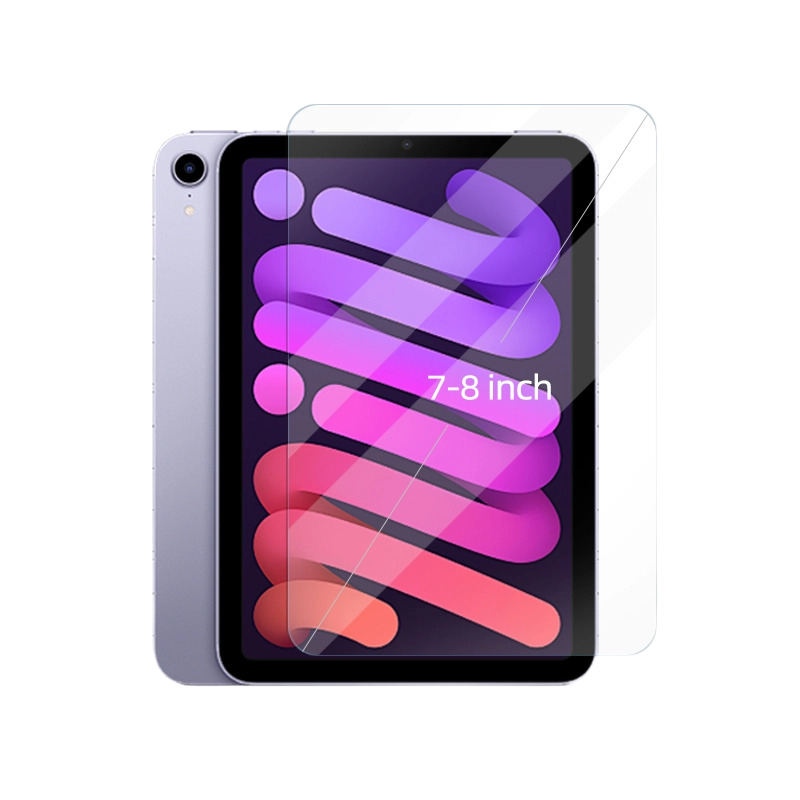
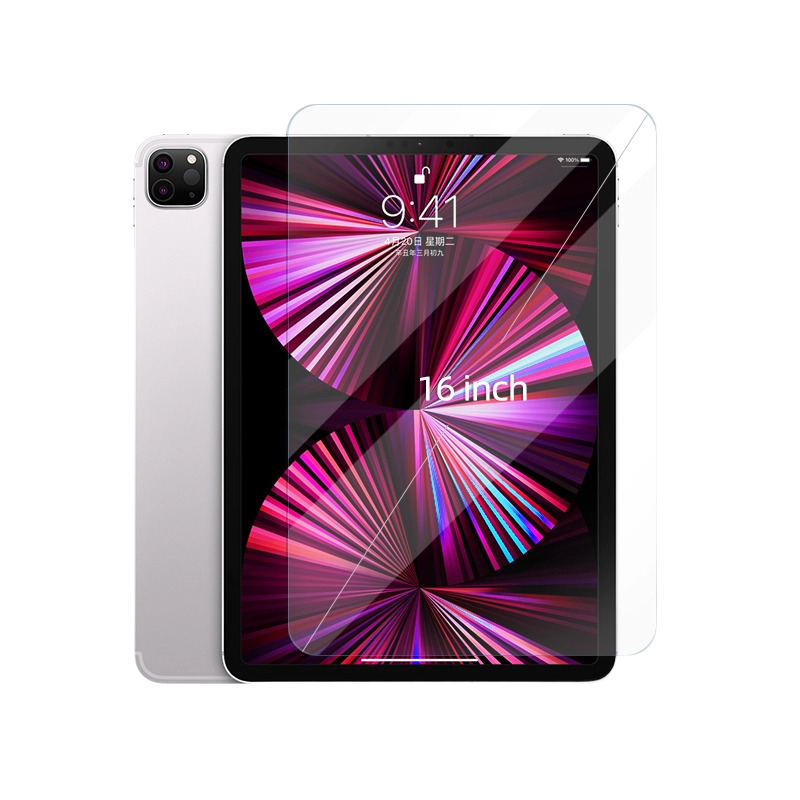
EN In today’s digital age, smartphones have become an integral part of our daily lives. From communication to entertainment, these devices serve multiple purposes. However, with constant use, the risk of damage to their screens increases significantly. This is where screen protectors come into play. A screen protector is a thin film or tempered glass that you apply to your phone’s screen to shield it from scratches, cracks, and other forms of damage. In this comprehensive guide, we’ll delve deep into the world of screen protectors, exploring their types, benefits, installation processes, and much more.
Understanding Screen Protectors
Screen protectors are designed to act as a barrier between your phone’s screen and the outside world. They come in various materials, each offering different levels of protection and features. The most common types include:
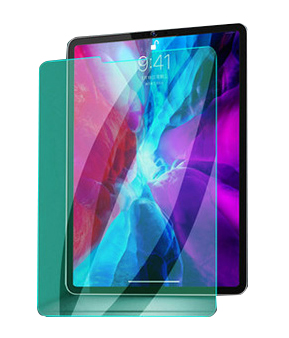
- Tempered Glass Screen Protectors: Made from chemically strengthened glass, these protectors are highly resistant to scratches and impacts. They offer superior clarity and maintain the responsiveness of your phone’s touch screen.
- PET (Polyethylene Terephthalate) Screen Protectors: These are thin, flexible plastic films that provide basic scratch protection. They are lightweight and easy to install but may not offer the same level of durability as tempered glass.
- TPU (Thermoplastic Polyurethane) Screen Protectors: Known for their flexibility and shock absorption properties, TPU protectors are ideal for users who frequently drop their phones. They conform well to the screen’s contours and provide decent protection against minor impacts.
Benefits of Using a Screen Protector
The advantages of using a screen protector extend beyond just protecting your device from physical damage. Here are some key benefits:
- Preventing Scratches and Cracks: The primary function of a screen protector is to safeguard your phone’s screen from scratches caused by keys, coins, and other abrasive objects. It also absorbs impact if your phone is dropped, reducing the risk of costly repairs.
- Enhancing Privacy: Some advanced screen protectors feature privacy filters that prevent others from viewing your screen from certain angles. This is particularly useful for protecting sensitive information in public places.
- Improving Screen Visibility: Anti-glare screen protectors reduce reflections, making your screen easier to see in bright environments. This can enhance your viewing experience and reduce eye strain.
- Cost-Effectiveness: Replacing a damaged phone screen can be expensive, often costing hundreds of dollars. In contrast, a quality screen protector costs only a fraction of that price, making it a cost-effective investment in the longevity of your device.
- Easy Application and Removal: Most screen protectors are designed for simple installation, even for those without technical expertise. They can also be removed without leaving residue, allowing you to upgrade or replace them as needed.
Choosing the Right Screen Protector
Selecting the appropriate screen protector for your phone involves considering several factors:
- Material: As mentioned earlier, tempered glass offers the best balance of protection and clarity. However, if you prioritize flexibility and shock absorption, TPU might be a better choice.
- Fit and Coverage: Ensure the screen protector is specifically designed for your phone model. It should cover the entire screen without any gaps or misalignments.
- Clarity and Responsiveness: Look for protectors that maintain the original clarity and touch sensitivity of your phone’s screen. High-quality options often have oleophobic coatings to resist fingerprints and smudges.
- Brand Reputation: Research brands known for producing reliable screen protectors. Brands like Spigen, Zagg, OtterBox, and Supershieldz are highly regarded for their quality and durability.
- Additional Features: Consider whether you need extra features such as privacy filters, anti-glare coatings, or blue light filtering. These can enhance your overall experience with the protector.
Installation Process
Proper installation is crucial for maximizing the effectiveness of your screen protector. Follow these detailed steps:
- Preparation: Start by cleaning your phone’s screen thoroughly with a microfiber cloth to remove any dust or debris. Even a small particle can cause air bubbles or prevent proper adhesion.
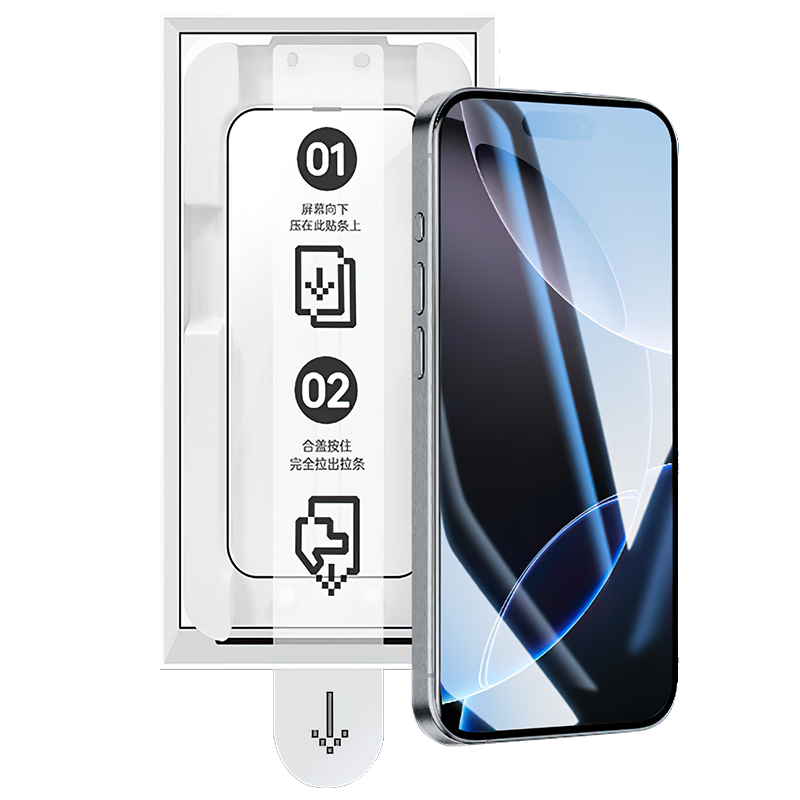
- Positioning: Remove the protective film from the screen protector and align it precisely with your phone’s screen. Some protectors come with alignment tools or trays to simplify this process.
- Application: Carefully place the screen protector onto the screen, starting from the center and working outward. Press firmly but gently to eliminate any air pockets.
- Smoothing Out Bubbles: Use a credit card or squeegee to gently push out any remaining air bubbles. Start from the center and move towards the edges to ensure a smooth application.
- Trimming Excess: If the protector extends beyond the screen’s edges, use scissors to trim the excess material for a clean fit.
Taking the time to install your screen protector correctly ensures it functions properly and provides optimal protection for your device.
Maintenance and Replacement
To keep your screen protector in good condition,定期 clean它 with a microfiber cloth and avoid using abrasive materials that could damage its surface. Over time, screen protectors can accumulate scratches and wear out, reducing their effectiveness. It’s generally recommended to replace your screen protector every 6 to 12 months or if you notice significant wear.
Future Trends in Screen Protector Technology
The screen protector industry is continuously evolving, with several exciting trends emerging:
- Self-Healing Materials: Some advanced protectors now incorporate self-healing technology that can automatically repair minor scratches, extending their lifespan.
- Advanced Coatings: Innovations in oleophobic and hydrophobic coatings improve resistance to fingerprints and smudges, enhancing screen clarity.
- Integration with Phone Cases: Some brands are developing screen protectors that work seamlessly with phone cases, offering comprehensive protection without compromising functionality.
- Smart Features: Future protectors may include smart capabilities, such as integrating with phone sensors for enhanced security or health monitoring.
These advancements aim to provide users with more versatile and effective protection solutions as smartphone technology continues to advance.
In conclusion, a quality screen protector is an essential accessory for any smartphone user. It not only protects your device from damage but also enhances your overall experience by improving visibility and privacy. By understanding the different types, benefits, and proper installation techniques, you can choose the best screen protector for your needs and enjoy the peace of mind that comes with knowing your phone is well-protected.