DE
DE  EN
EN Effective screen protection relies on scientific principles and material science innovations. This article delves into the technical aspects that make screen protectors effective at safeguarding smartphone screens.
Material Science of Screen Protectors
The effectiveness of a screen protector depends largely on its material composition:
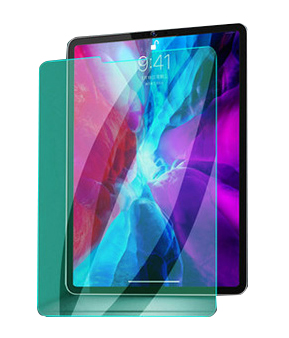
- Tempered Glass: This material undergoes a chemical strengthening process where the surface is compressed, making it more resistant to scratches and impacts. The glass’s internal stress distribution allows it to absorb and distribute force, preventing cracks from propagating.
- PET and TPU: These plastics offer different benefits. PET provides basic scratch resistance with minimal impact on touch sensitivity, while TPU’s flexibility and shock absorption make it suitable for absorbing impacts from drops.
Scratch Resistance Mechanisms
Scratch resistance in screen protectors is achieved through material hardness and surface treatment. Tempered glass, with its high hardness rating, resists abrasion from everyday objects. Oleophobic coatings further enhance this by reducing friction between the protector and foreign objects, minimizing micro-scratches.
Impact Absorption Technology
Advanced protectors incorporate technologies to absorb and dissipate impact energy. Tempered glass achieves this through its internal stress layers, while TPU’s elastic properties allow it to deform slightly upon impact, absorbing energy and reducing transmitted force to the phone’s screen.
Optical Clarity and Coatings
Maintaining optical clarity involves minimizing light reflection and refraction. Anti-glare coatings scatter light to reduce reflections, while oleophobic coatings prevent fingerprint oils from altering the screen’s surface texture, which could otherwise cause light scattering and reduce clarity.
Testing and Standards
Reputable brands subject their screen protectors to rigorous testing to ensure they meet industry standards:
- Scratch Resistance Testing: Using tools like the Mohs scale, manufacturers test how well the protector resists scratches from various materials.
- Impact Resistance Testing: Drop tests simulate real-world scenarios to evaluate how well the protector absorbs and distributes impact force.
- Durability and Longevity Testing: Protectors are exposed to environmental factors and repeated use to assess their performance over time.
Future Scientific Advancements
The future of screen protectors lies in continuous scientific innovation:
- Nanotechnology: Incorporating nanoparticles could enhance scratch resistance and optical properties without increasing thickness.
- Self-Healing Polymers: Materials that can automatically repair minor damage could significantly extend the protector’s lifespan.
- Advanced Coating Technologies: New coatings could offer improved resistance to environmental factors and enhance user experience.