EN
EN  DE
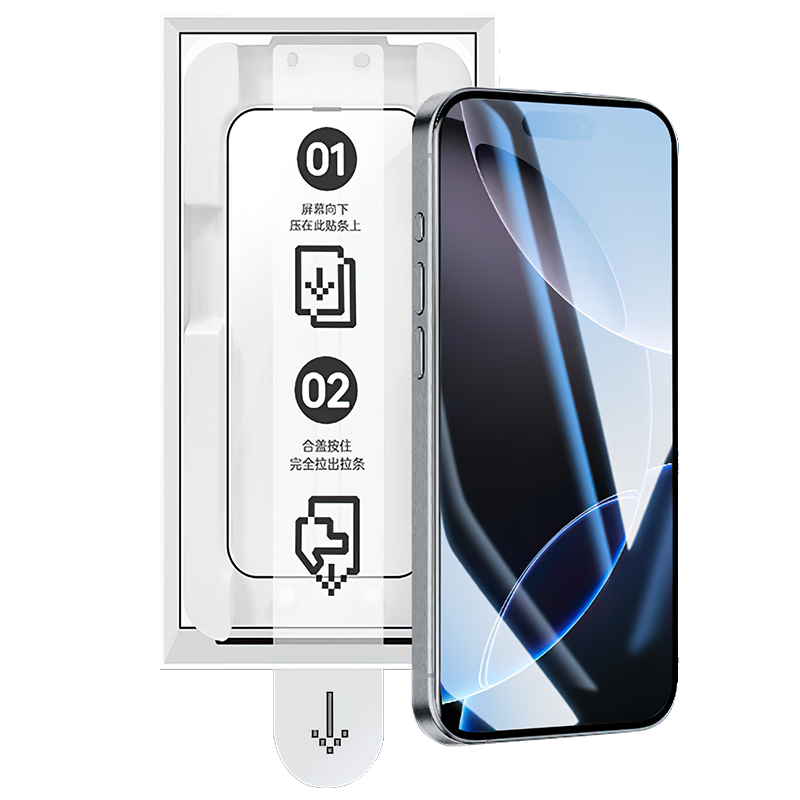
DE Smartphones have revolutionized how we communicate, work, and entertain ourselves. As these devices have become more integrated into our daily lives, the need to protect them has grown significantly. Screen protectors, once considered optional accessories, have now become essential for many users. This article explores the evolution of screen protectors and their impact on smartphone culture.
Early Days of Screen Protectors
In the early days of smartphones, screen protectors were simple plastic films designed to offer basic scratch protection. These early models were made from PET (Polyethylene Terephthalate) and were thin enough to not interfere with touch sensitivity. However, they lacked durability and often yellowed or became cloudy over time.
The Tempered Glass Revolution
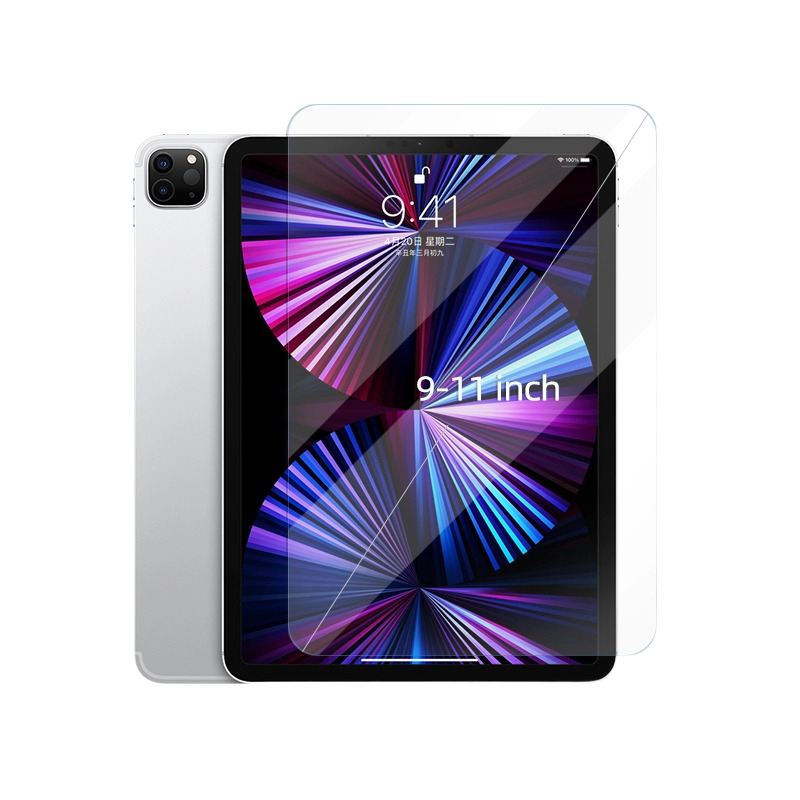
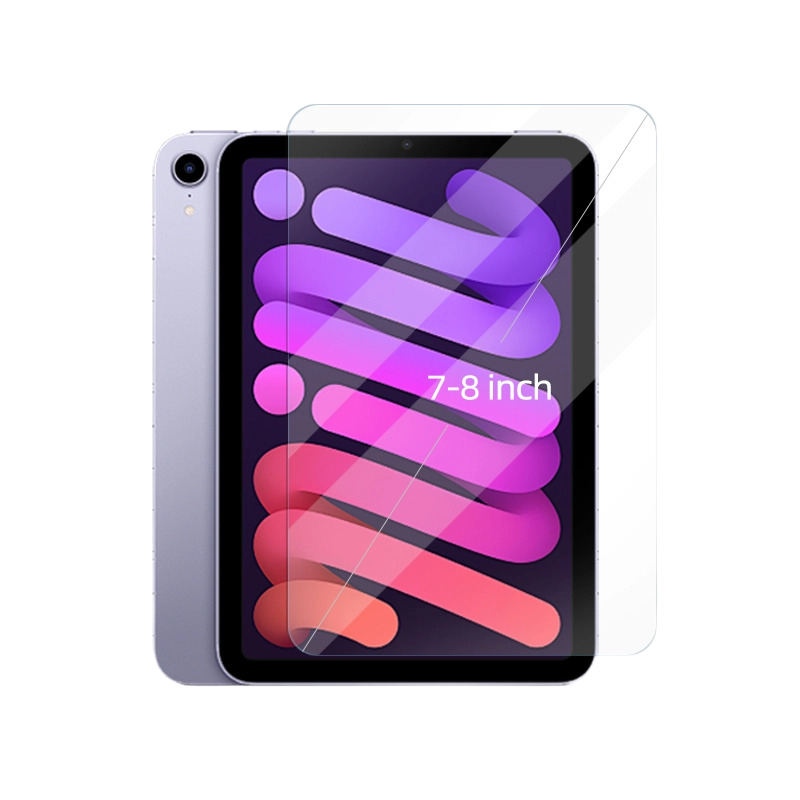
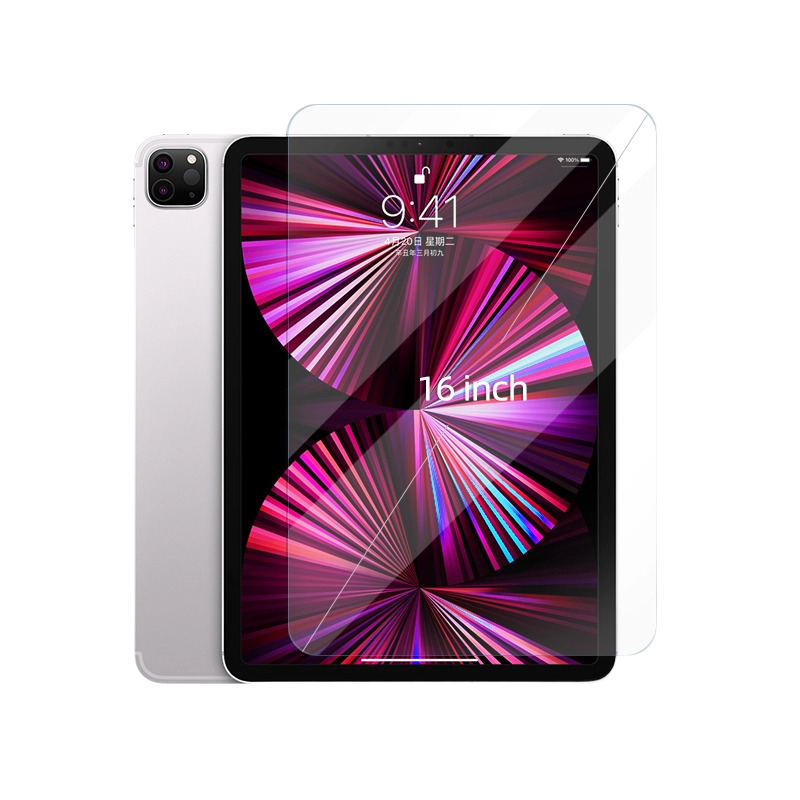
The introduction of tempered glass screen protectors marked a significant advancement in the industry. Tempered glass is chemically strengthened to be more resistant to scratches and impacts. This innovation provided users with superior protection while maintaining high clarity and touch responsiveness. The popularity of tempered glass protectors soared as consumers recognized their effectiveness in preventing costly screen repairs.
Specialized Features and Customization
As technology advanced, so did screen protectors. Manufacturers began incorporating specialized features to meet diverse user needs:
- Privacy Filters: These protectors limit the viewing angles of the screen, preventing others from seeing sensitive information in public spaces.
- Anti-Glare Coatings: Designed to reduce reflections, these coatings make screens easier to read in bright environments.
- Blue Light Filtering: Some protectors now include blue light filtering to reduce eye strain and improve sleep quality for users who spend extended periods on their devices.
- Custom Designs: Beyond functionality, some screen protectors feature custom designs and patterns, allowing users to personalize their devices.
Cultural Impact and User Behavior
The prevalence of screen protectors has influenced how users interact with and perceive their smartphones:
- Extended Device Lifespan: By protecting screens from damage, users can keep their devices longer, reducing the frequency of upgrades and contributing to a more sustainable approach to technology consumption.
- Enhanced Resale Value: A well-protected phone with a screen protector maintains its appearance and functionality, increasing its resale value when users decide to upgrade to a new model.
- Peace of Mind: Knowing their phone is protected allows users to enjoy their devices without constant worry about accidental damage, encouraging more confident handling and usage.
- Integration into Daily Routines: Applying and maintaining a screen protector has become a routine part of smartphone ownership for many users, similar to charging the device or updating software.
Environmental Considerations
With the increasing focus on sustainability, the screen protector industry is also adapting:
- Eco-Friendly Materials: Some manufacturers are exploring biodegradable or recyclable materials for their protectors, reducing environmental impact.
- Recycling Programs: Certain brands offer recycling initiatives where users can return used protectors for proper disposal or recycling.
- Minimal Packaging: There’s a trend towards reducing packaging materials and using more sustainable packaging options to minimize waste.
Future Directions
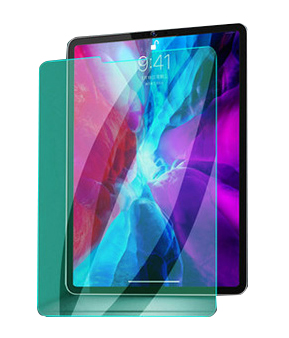
Looking ahead, the screen protector industry is poised for further innovation:
- Smart Screen Protectors: Future protectors may integrate with phone sensors to offer additional functionalities, such as health monitoring or enhanced security features.
- Advanced Materials: Research into new materials could lead to even more durable and feature-rich protectors that offer unprecedented levels of protection.
- Seamless Integration: As phone designs evolve, screen protectors may become more integrated with device hardware, offering a unified look and feel without compromising protection.
In conclusion, screen protectors have evolved from simple plastic films to sophisticated accessories that play a crucial role in smartphone culture. They not only protect devices from damage but also influence user behavior and contribute to sustainability efforts. As technology continues to advance, screen protectors will likely remain an essential component of the smartphone experience, adapting to meet the changing needs and expectations of consumers.