EN
EN  DE
DE Smartphones are valuable investments that we rely on daily. However, their screens are vulnerable to damage from scratches, cracks, and impacts. Screen protectors have emerged as essential tools to enhance smartphone durability. This article explores how screen protectors contribute to the longevity of your device and provides practical advice on selecting and using them effectively.
Understanding the Vulnerability of Smartphone Screens
Modern smartphone screens are made from Gorilla Glass or similar materials, which are designed to be durable. However, they are not impervious to damage. Everyday activities like carrying your phone in a bag or pocket with keys, coins, or other objects can lead to scratches. Accidental drops, even from relatively low heights, can cause cracks or shatter the screen entirely. These repairs can be costly, often exceeding the price of a quality screen protector.
How Screen Protectors Provide Protection
A screen protector acts as a sacrificial layer between your phone’s screen and potential hazards. When your phone is dropped or comes into contact with abrasive objects, the protector absorbs the impact or scratch, preventing damage to the actual screen. High-quality protectors are designed to maintain their integrity even after sustaining damage, continuing to protect your device until replacement is convenient.
Types of Protection
Screen protectors offer various types of protection depending on their design and materials:
- Scratch Resistance: The primary function is to prevent scratches from keys, coins, and other objects. Tempered glass protectors excel in this area due to their hardness and resistance to abrasion.
- Impact Absorption: Some protectors, particularly those made from tempered glass or TPU, are designed to absorb and distribute the force of impacts, reducing the risk of cracks.
- Edge-to-Edge Coverage: Many modern protectors offer full coverage, extending to the edges of the screen where damage often occurs.
- Anti-Glare and Oleophobic Coatings: These features enhance usability by reducing reflections and resisting fingerprints, keeping your screen clean and visible.
Selecting the Right Protector for Your Needs
Choosing the appropriate screen protector involves considering several factors:
- Device Compatibility: Ensure the protector is specifically designed for your phone model. It should fit perfectly without gaps or misalignments.
- Material and Durability: Tempered glass is recommended for optimal protection, while TPU may be preferable for flexibility and shock absorption.
- Additional Features: Consider whether you need privacy filters, anti-glare coatings, or blue light filtering based on your usage patterns.
- Brand Reputation: Opt for established brands known for quality and reliability. Reading reviews and comparing products can help you make an informed decision.
Installation and Maintenance Tips
Proper installation is essential for maximizing the effectiveness of your screen protector:
- Clean Your Screen Thoroughly: Use a microfiber cloth to remove all dust and debris before applying the protector.
- Follow Manufacturer Instructions: Each protector may have specific installation steps. Carefully read and follow these instructions for the best results.
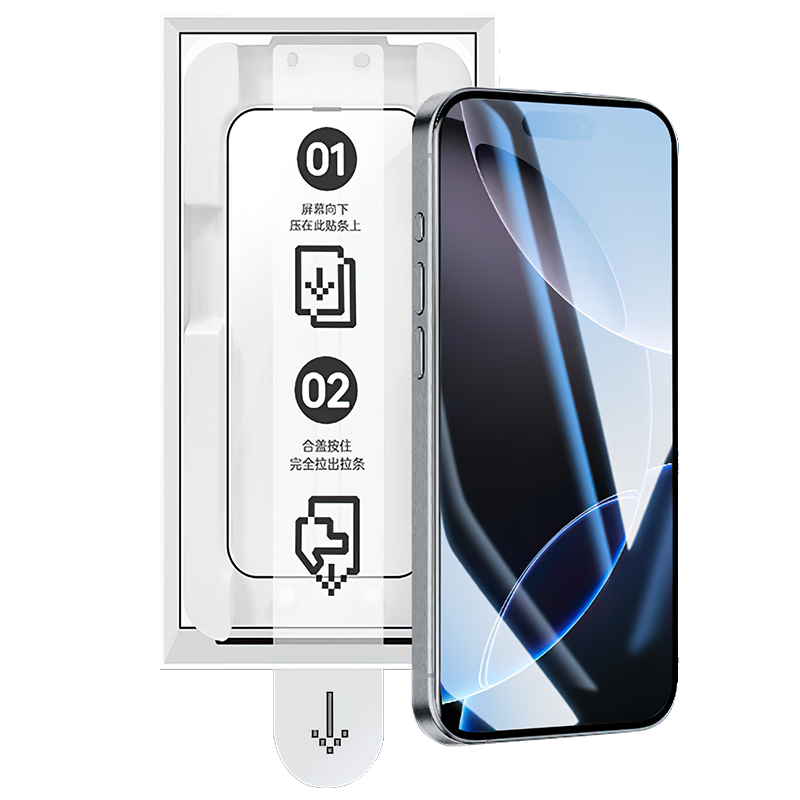
- Use Alignment Tools: Many protectors come with tools to help position them correctly on your phone’s screen.
- Smooth Out Bubbles: After application, use a credit card or squeegee to eliminate any air pockets that could affect performance.
Regular maintenance, such as wiping your screen with a microfiber cloth and avoiding abrasive materials, helps prolong the protector’s lifespan.
Case Studies and Real-World Examples
Numerous users have shared experiences where screen protectors saved their devices from significant damage. For instance, a user who dropped their phone on concrete reported that while the screen protector cracked, the actual screen remained intact. Such testimonials highlight the practical benefits of using a quality protector.
Future Developments in Screen Protector Technology
The screen protector industry continues to innovate, with several exciting developments on the horizon:
- Self-Healing Materials: Some advanced protectors can automatically repair minor scratches, extending their usefulness.
- Integration with Smart Features: Future protectors may incorporate smart capabilities, such as health monitoring or enhanced security through sensor integration.
- Eco-Friendly Options: Manufacturers are exploring sustainable materials and recycling programs to reduce environmental impact.
Incorporating a quality screen protector into your smartphone maintenance routine is a proactive step towards enhancing its durability and extending its lifespan. By understanding the different types, proper installation techniques, and maintenance practices, you can ensure your device remains protected and functional for longer.