EN
EN  DE
DE With the increasing reliance on digital devices for work, entertainment, and communication, prolonged screen time has become a common aspect of modern life. However, extended exposure to smartphone screens can lead to eye strain, discomfort, and other vision-related issues. This is where screen protectors with specialized features can make a significant difference in promoting eye health and reducing visual fatigue.
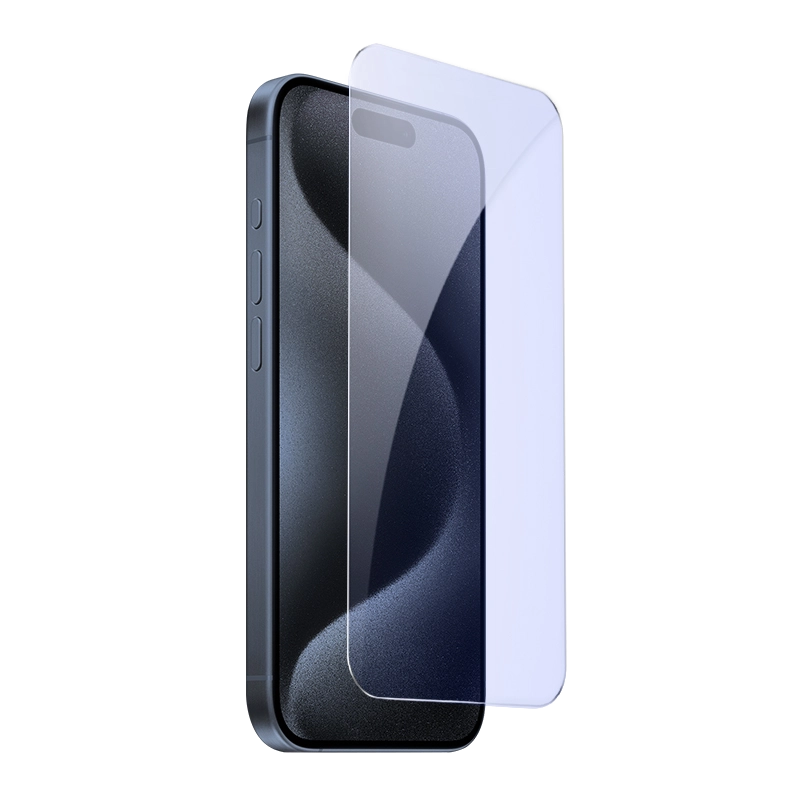
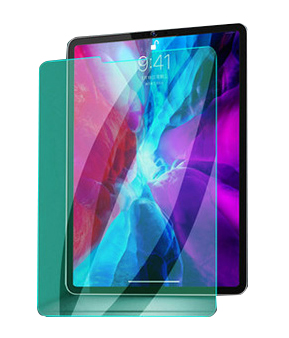
One of the primary causes of eye strain from smartphone use is the blue light emitted by screens. Blue light has a shorter wavelength and higher energy, which can penetrate the eye and contribute to digital eye strain symptoms such as dryness, irritation, and blurred vision. Screen protectors equipped with blue light filtering technology are designed to mitigate this issue. These protectors reduce the amount of blue light reaching the eyes, creating a more comfortable viewing experience during extended usage.
Additionally, anti-glare screen protectors help minimize reflections on the screen surface. Glare from ambient light sources can cause squinting, increased eye effort, and discomfort, especially in brightly lit environments or outdoors. By reducing glare, these protectors enhance screen visibility and reduce the strain associated with straining to see through reflections.
The psychological impact of reduced eye strain should not be underestimated. When users experience less discomfort, they are more likely to maintain productivity and enjoyment while using their devices. This can lead to improved overall well-being, particularly for individuals who rely heavily on their smartphones for work or personal activities.
Moreover, some advanced screen protectors combine blue light filtering and anti-glare features with high optical clarity. This ensures that while protecting eye health, the screen’s brightness, color accuracy, and touch sensitivity remain uncompromised. Users can enjoy the benefits of reduced eye strain without sacrificing the visual quality or functionality of their devices.
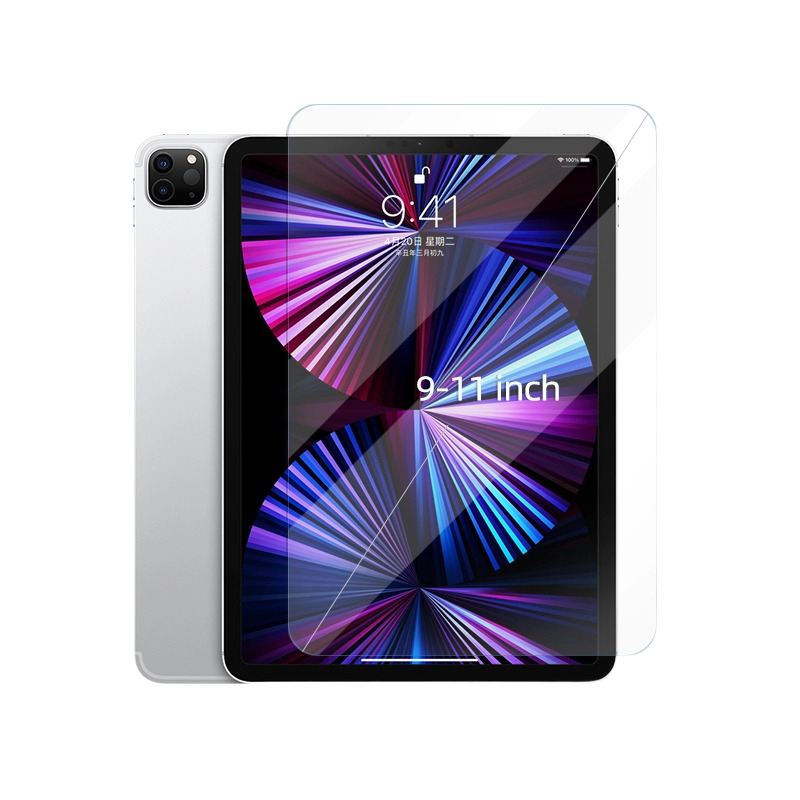
In educational settings, students who use digital devices for extended periods can benefit from these protective features, potentially improving focus and learning outcomes. Similarly, professionals engaged in screen-intensive tasks can experience enhanced comfort and reduced fatigue throughout their workday.
In conclusion, screen protectors designed to address eye health concerns offer practical solutions for mitigating the adverse effects of prolonged screen time. By filtering blue light, reducing glare, and maintaining visual clarity, they contribute to healthier visual habits and overall well-being in our digitally driven world.