EN
EN  DE
DE In the competitive world of smartphones, protecting your investment is crucial. A screen protector serves as the first line of defense against scratches, cracks, and other forms of damage. With countless options available in the market, selecting the right screen protector can be overwhelming. This ultimate buying guide will walk you through everything you need to consider when purchasing a screen protector, ensuring you make an informed decision.
Types of Screen Protectors
The market offers various screen protector types, each with unique characteristics:
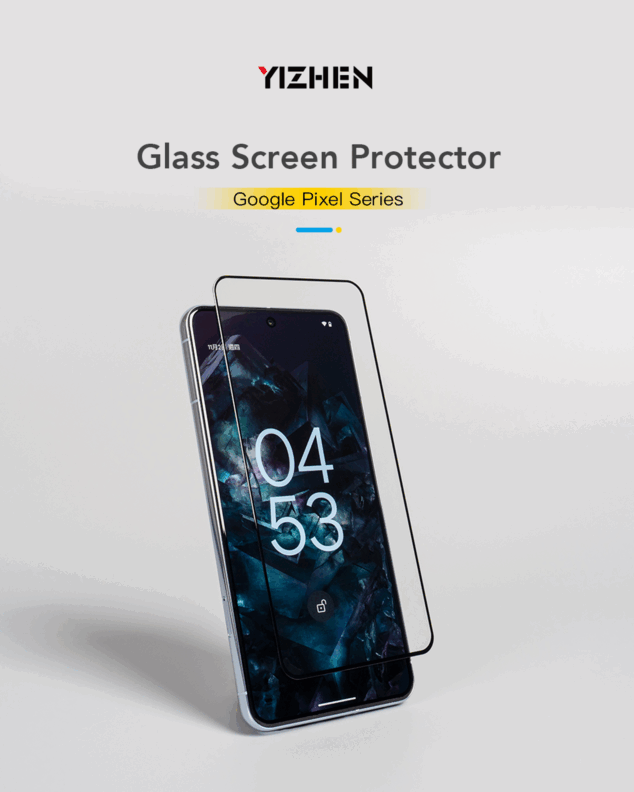
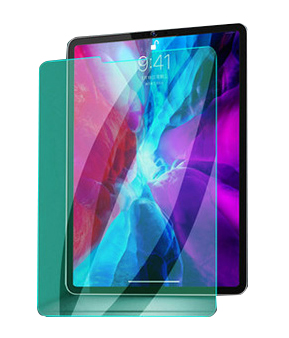
- Tempered Glass Screen Protectors: These are the most popular and durable option. Made from chemically strengthened glass, they provide excellent scratch and impact resistance. They maintain high clarity and touch sensitivity, making them ideal for users who demand optimal performance.
- PET (Polyethylene Terephthalate) Screen Protectors: These thin plastic films offer basic scratch protection at a lower cost. They are lightweight and easy to install but may not withstand heavy impacts as effectively as tempered glass.
- TPU (Thermoplastic Polyurethane) Screen Protectors: Known for their flexibility and shock absorption properties, TPU protectors are perfect for users prone to dropping their phones. They conform well to the screen’s contours and provide decent protection against minor impacts.
Key Features to Look For
When shopping for a screen protector, certain features can significantly enhance your experience:
- Scratch Resistance: The primary function of a screen protector is to prevent scratches. Look for products with high scratch resistance ratings, especially if you frequently carry your phone in a bag or pocket with other objects.
- Impact Absorption: For added protection against drops, choose screen protectors designed to absorb impact. Tempered glass and TPU options often excel in this area.
- Clarity and Transparency: A good screen protector should not compromise your phone’s display quality. Opt for options with high transparency and minimal glare.
- Touch Sensitivity: Ensure the protector maintains the responsiveness of your phone’s touch screen. High-quality protectors are designed to feel natural and not hinder your interaction with the device.
- Privacy Features: If you’re concerned about others viewing your screen in public, consider screen protectors with privacy filters. These limit the viewing angles, keeping your information secure.
- Anti-Glare Coatings: For improved visibility in bright environments, anti-glare coatings reduce reflections and make your screen easier to read outdoors.
- Oleophobic Coatings: These coatings resist fingerprints and smudges, keeping your screen looking clean and professional.
Top Brands to Consider
Several brands stand out in the screen protector market due to their reputation for quality and innovation:
- Spigen: Renowned for high-quality tempered glass protectors that are easy to install and offer excellent protection. Their Glas.TR EZ Fit model is a favorite among iPhone users.
- Zagg: Offers a wide range of screen protectors with features like lifetime warranties and antimicrobial treatments. The InvisibleShield Glass XTR4 is highly regarded for its durability.
- OtterBox: Provides premium screen protectors with lifetime warranties, ensuring long-lasting protection. Their Premium Pro Glass protector is designed to withstand frequent drops.
- Supershieldz: A budget-friendly option that still delivers good scratch resistance and oleophobic coating. Their 3-pack protectors offer value for money.
- Ailun: Known for affordable tempered glass protectors that are easy to apply and offer anti-fingerprint properties.
Installation Tips
Proper installation is essential for maximizing the effectiveness of your screen protector:
- Clean Your Screen: Use a microfiber cloth to wipe away any dust or debris. This prevents air bubbles and ensures a smooth application.
- Follow Manufacturer Instructions: Each screen protector may have specific installation steps. Carefully read and follow the manufacturer’s guidelines for the best results.
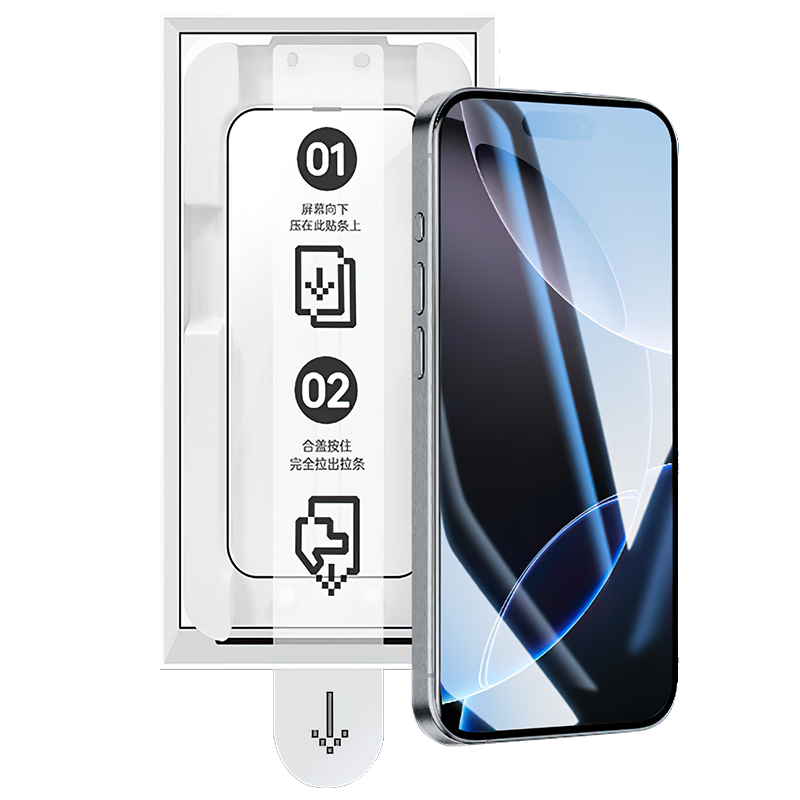
- Use Alignment Tools: Many protectors come with alignment tools or trays to help position them correctly on your phone’s screen.
- Apply Even Pressure: When placing the protector, start from the center and work outward, applying even pressure to eliminate air pockets.
- Smooth Out Bubbles: Use a credit card or squeegee to gently push out any remaining air bubbles, starting from the center and moving towards the edges.
Maintenance and Longevity
To ensure your screen protector remains effective over time:
- Regular Cleaning: Wipe your screen with a microfiber cloth regularly to remove dust and debris that could scratch the protector.
- Avoid Abrasive Materials: Do not use harsh chemicals or abrasive cleaning agents that could damage the protector’s surface.
- Monitor for Wear: Over time, screen protectors can accumulate scratches and wear out. Replace yours every 6 to 12 months or if you notice significant damage.
Future Trends and Innovations
The screen protector industry is constantly evolving, with several exciting trends on the horizon:
- Self-Healing Materials: Some advanced protectors now incorporate self-healing technology that can automatically repair minor scratches, extending their lifespan.
- Advanced Coatings: Innovations in oleophobic and hydrophobic coatings improve resistance to fingerprints and smudges, enhancing screen clarity.
- Integration with Phone Cases: Some brands are developing screen protectors that work seamlessly with phone cases, offering comprehensive protection without compromising functionality.
- Smart Features: Future protectors may include smart capabilities, such as integrating with phone sensors for enhanced security or health monitoring.
By considering these factors and staying updated on industry trends, you can select a screen protector that not only protects your phone but also enhances your overall experience.